Working hour: Monday – Friday/8AM – 5PM
|Email: contact@mcac.vn
|Hotline: (+84) 935 925 068 - 0236 3656799
| Language:



Điện thoại: (+84) 935 925 068
Language:

News


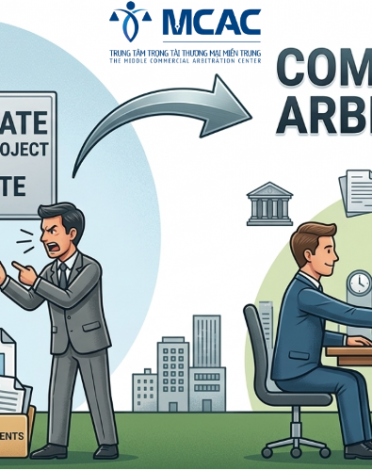
CAN LAND-RELATED DISPUTES BE RESOLVED THROUGH ARBITRATION?
Discover how to resolve land disputes through commercial arbitration at MCAC. Our procedures ensure a fast, confidential, and legally binding process tailored for businesses.
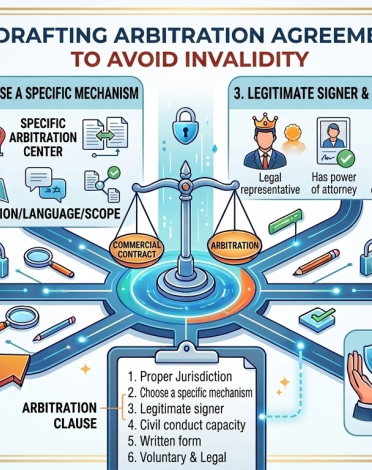
NOTES ON DRAFTING AN ARBITRATION AGREEMENT CLAUSE TO AVOID INVALIDITY
Important considerations when drafting arbitration clauses in commercial contracts under the Law on Commercial Arbitration 2010 to avoid invalidity and ensure legal enforceability.
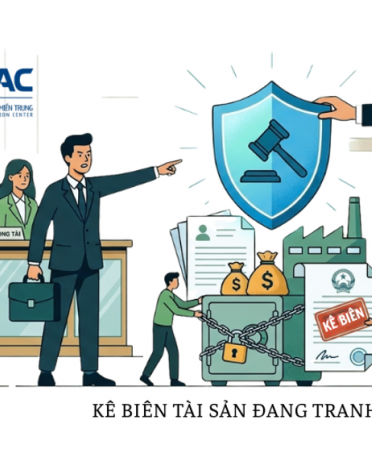
WHEN ARE PARTIES ENTITLED TO REQUEST INTERIM MEASURES IN ARBITRAL PROCEEDINGS?
Learn the details of seizing disputed assets. Discover the jurisdiction and procedures for applying interim measures by the Arbitral Tribunal. Read now!

HOW DOES COMMERCIAL ARBITRATION HELP BUSINESSES SAVE TIME AND COSTS?
Discover the outstanding benefits of commercial arbitration for businesses: Fast dispute resolution, significant cost savings, and highly flexible procedures.

IS THE ARBITRAL TRIBUNAL EMPOWERED TO COLLECT EVIDENCE, OR IS IT LIMITED TO THE EVIDENCE SUBMITTED BY THE PARTIES?
Can the Arbitral Tribunal collect evidence or only rely on evidence provided by the parties? Analysis under Vietnam’s Law on Commercial Arbitration.

THE RIGHT OF THE PARTIES TO REQUEST AN EXTENSION OF PROCEDURAL TIME LIMITS IN ARBITRAL PROCEEDINGS: IN WHICH CASES MAY THE ARBITRAL TRIBUNAL CONSIDER GRANTING AN EXTENSION?
When can parties request an extension of time limits in arbitration? Analysis of the 2010 Law on Commercial Arbitration, MCAC Rules, and the Arbitral Tribunal's authority.